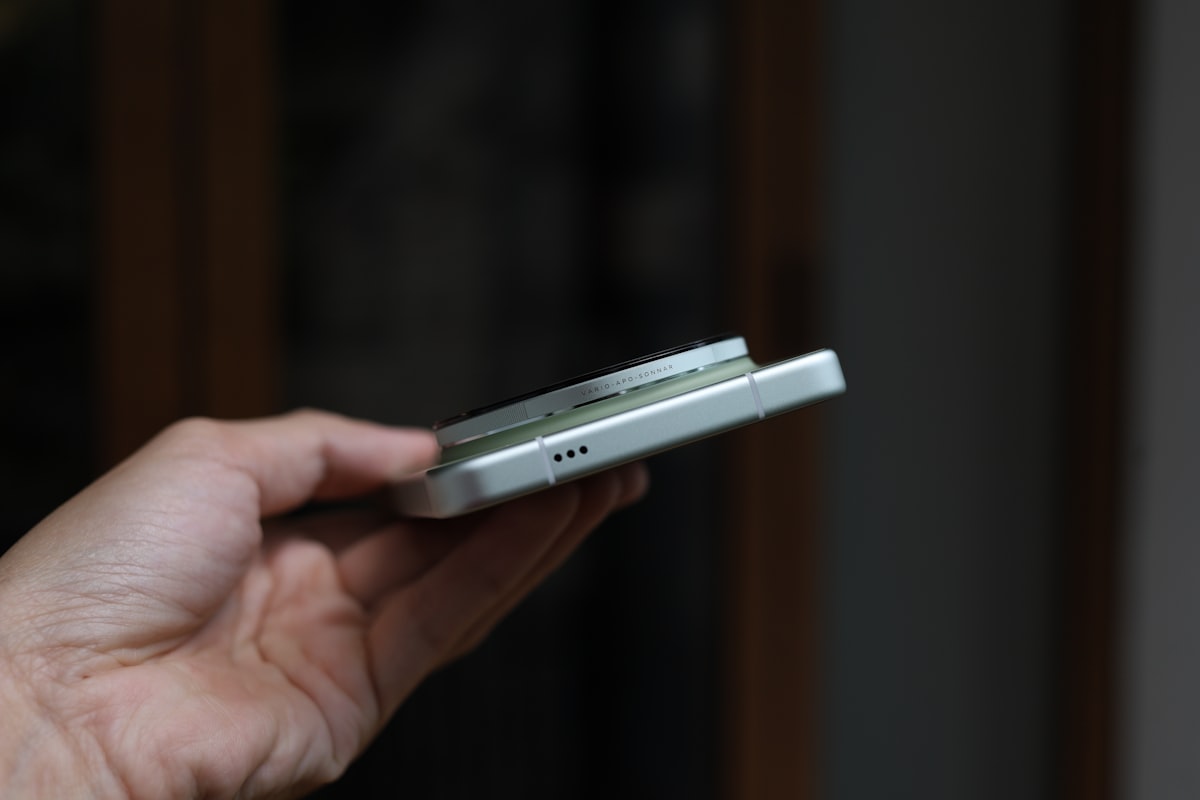
Samsung's Galaxy Z Fold 8 and Huawei's Pura X Max have just given the smartphone world its first real look at what a wide foldable is supposed to be. Both companies abandoned the tall, narrow book shape that defined foldables for years in favor of a broader, squarer footprint closer to a passport than a candy bar, and the resulting head-to-head is the clearest signal yet that this is where the entire foldable category is headed, Apple's rumored iPhone Ultra included.
Huawei got there first, launching the original Pura X last year before following up with the Pura X Max this year. Samsung's Galaxy Z Fold 8 arrived as a direct response, and the two devices now sit close enough in concept that the differences come down to genuine design philosophy rather than one company simply copying the other's homework.
Thinner versus tougher
Samsung leaned hard into portability. The Galaxy Z Fold 8 weighs 201 grams and measures 4.8mm unfolded, noticeably lighter and thinner than the Pura X Max's 229 grams and 5.2mm, with Samsung's IP48 rating offering solid dust and water resistance. Huawei countered with a sturdier build, an IP59 rating that beats Samsung's on paper, and premium glass texturing that feels more substantial in hand, at the cost of extra weight that becomes noticeable during long one-handed sessions.
Display geometry tells a similar story of different priorities. Samsung's main screen uses a 4:3 aspect ratio reminiscent of productivity tablets, paired with a 4.7:3 cover display, while Huawei's 4.2:3 inner and 4.4:3 cover panels split the difference between tablet-like proportions and something closer to a standard phone. Samsung's 7.6-inch Dynamic AMOLED 2X panel runs at 120Hz with 3,000 nits of peak brightness, matched by a 120Hz cover display of its own.
Where each device actually wins
Camera hardware favors Samsung on paper, with dual 50-megapixel main and ultrawide sensors, though the Fold 8 skips a dedicated telephoto lens entirely, a notable omission for a flagship-tier device. Huawei's Pura X Max pulls ahead on charging speed, reportedly juicing up in roughly half the time the Fold 8 needs, and its larger battery capacity favors buyers who prioritize media consumption over pocketability.
"The extra heft makes holding the Pura X Max noticeably heavier over long periods," one comparison review noted of Huawei's device.
Software is where the comparison gets complicated for anyone outside China. Samsung runs One UI 9 on Android 17 with a promised seven years of OS and security updates, giving buyers full access to Google's app ecosystem. Huawei's Pura X Max runs HarmonyOS 6.1 without Google Play Services, a limitation that has little bearing on Huawei's home market but makes the device a difficult recommendation almost anywhere else.
What this means for India
The comparison is more theoretical than practical for Indian buyers, since Huawei smartphones are not officially sold in India and have not been since import restrictions tightened years ago, meaning the Pura X Max will not show up in Indian retail regardless of how well it performs against Samsung's device. That leaves the Galaxy Z Fold 8 to make its case on its own merits once it reaches Indian shelves, competing less against Huawei and more against Samsung's own Z Fold 8 Ultra variant along with any wide-foldable response Chinese brands like OnePlus or Oppo choose to sell in India instead.
What the comparison does signal for Indian buyers is where the category is heading. If wide foldables become the new standard form factor globally, expect Indian-available brands to follow the same design direction over the next generation or two, regardless of whether Huawei's specific device ever reaches local shelves.
What to watch
Apple's rumored iPhone Ultra, expected around September, will be the next major test of whether wide foldables are genuinely the future or a two-company experiment. Watch for how Samsung prices the Galaxy Z Fold 8 in India relative to last year's model, since the shift to a wider, thinner design typically carries a premium that Indian buyers have been increasingly price-sensitive about with each successive foldable generation.
Published July 26, 2026. Gadgets365 will update this article as more information becomes available.